


Prototype vechicle design and series of livery studies. This is what might have happened if a few things went slightly differently in early 1990's sportscar racing...
This work was created as a reimagined "alt-history" for #NEWGROUPCBLAST, an Instagram thread spun up by Oct8n in October 2018 in celebration of the 25th anniversary of the Group C/GTP sports-prototype era and in anticipation of the the new 2020 prototype regulations.
Early 1993, picking up from the early-1990's where prototype racing's "golden era" began to unravel: The FIA and IMSA work out a revised rule-set to stop the rapid meltdown and exodus that Max Mosley's F1-based concept was causing. To ensure relevance for manufacturers and encourage technical development, regulations once again favored production-based engines of varied sizes and configurations. Aerodynamic regulations were loosened, encouraging further exploration and advances. Older cars were grandfathered in, and in a twist intended to help balance the field, the rules granted a weight advantage to new chassis made available to privateer customer teams.
MOMO's Gianpiero Moretti saw an opportunity to help a resurgence of endurance-racing world-wide and brokered a chassis-development partnership between his friends at Ferrari and at Nissan's NPTI (formerly Electromotive) in California. The car would be a technical, aerodynamic, and engineering collaboration between Ferrari and NPTI, with Dallara on board for construction capabilities.
The chassis was designed to accommodate small- and mid-displacement twin-turbo V6 & V8 engines; Ferrari intended to use a development of the F40's 2.9 liter v8 engine, NPTI would continue with the proven multiple-championship-winning Nissan VG30-based V6 engine from the GTP ZXT and NPT-90.


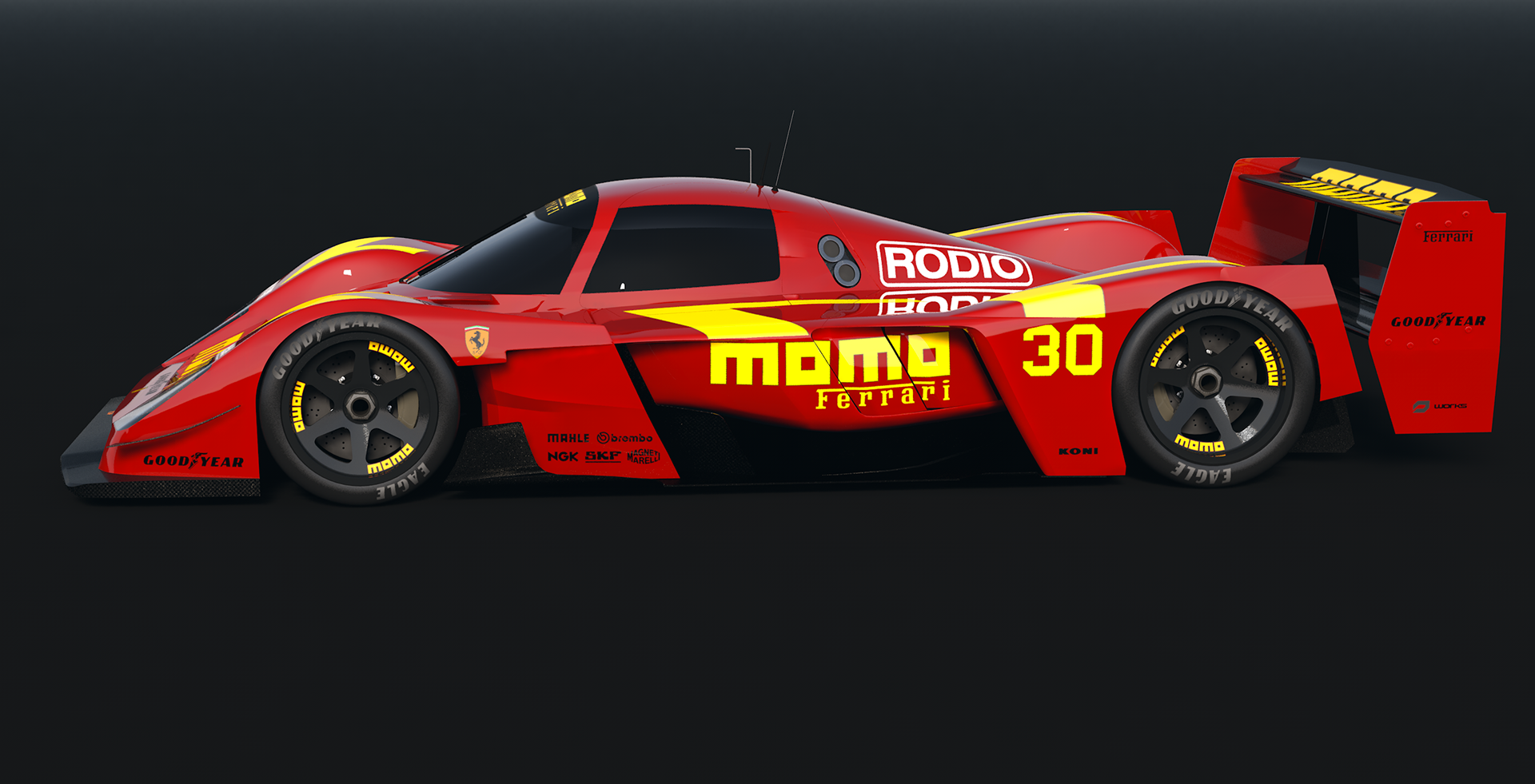
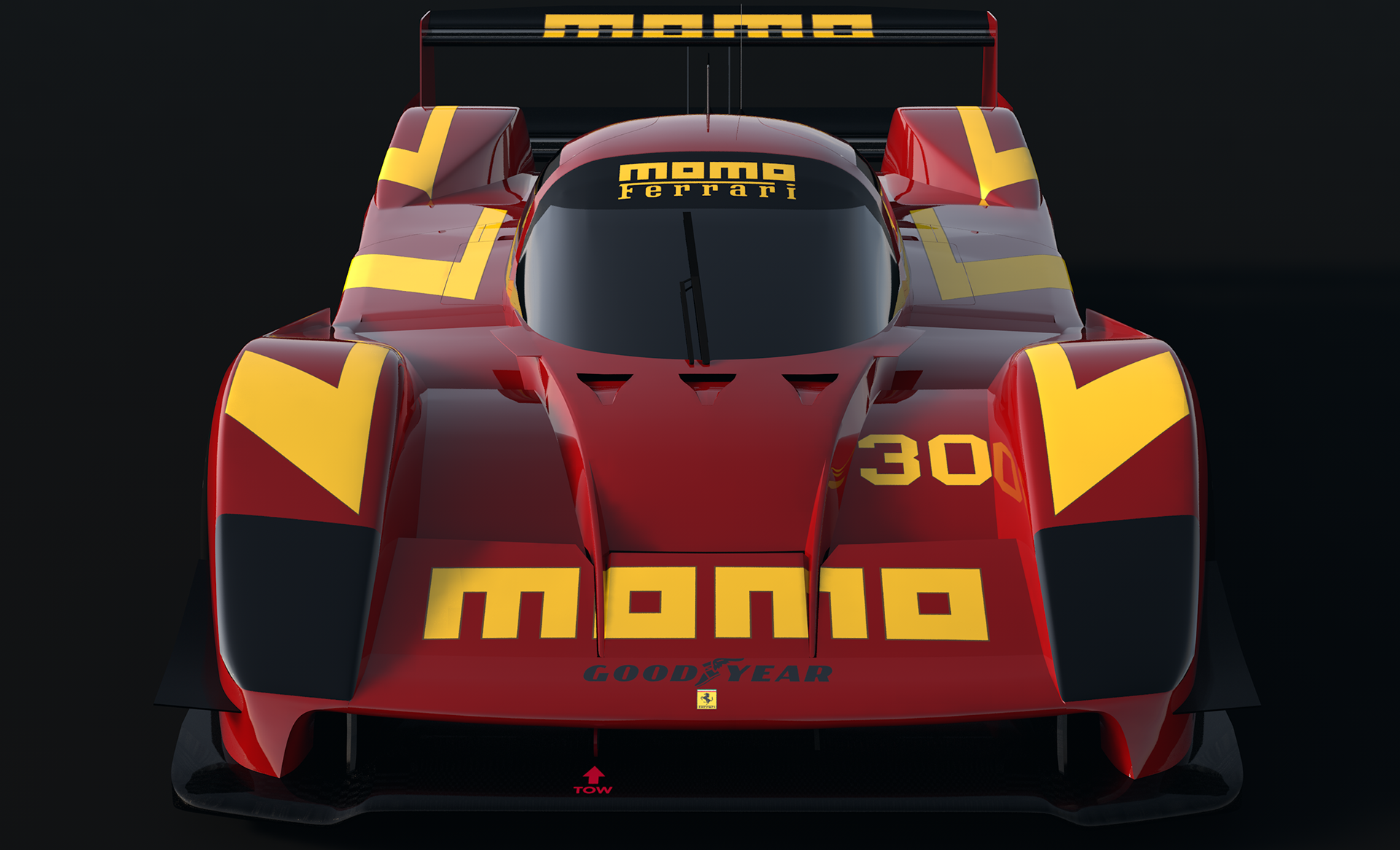
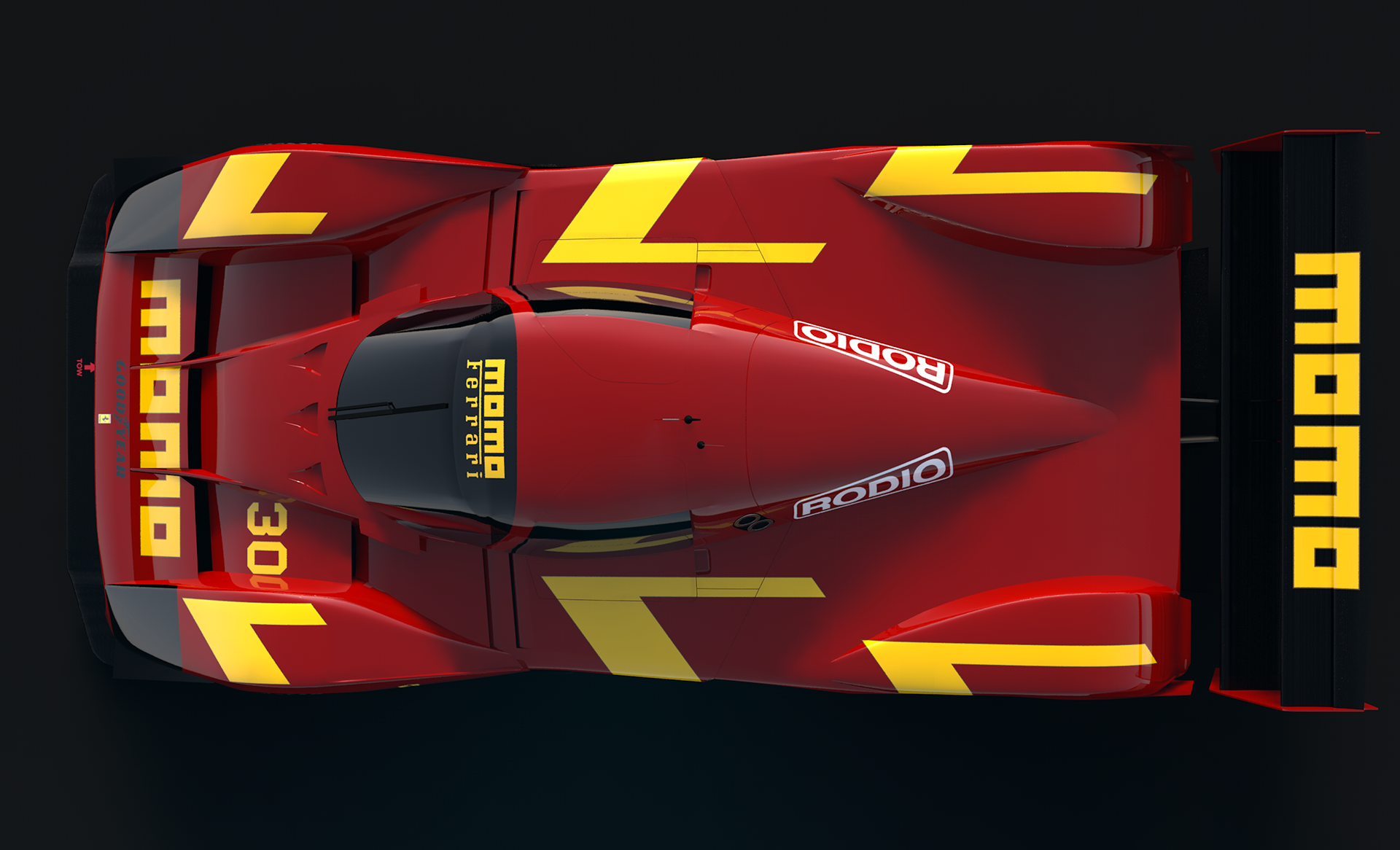
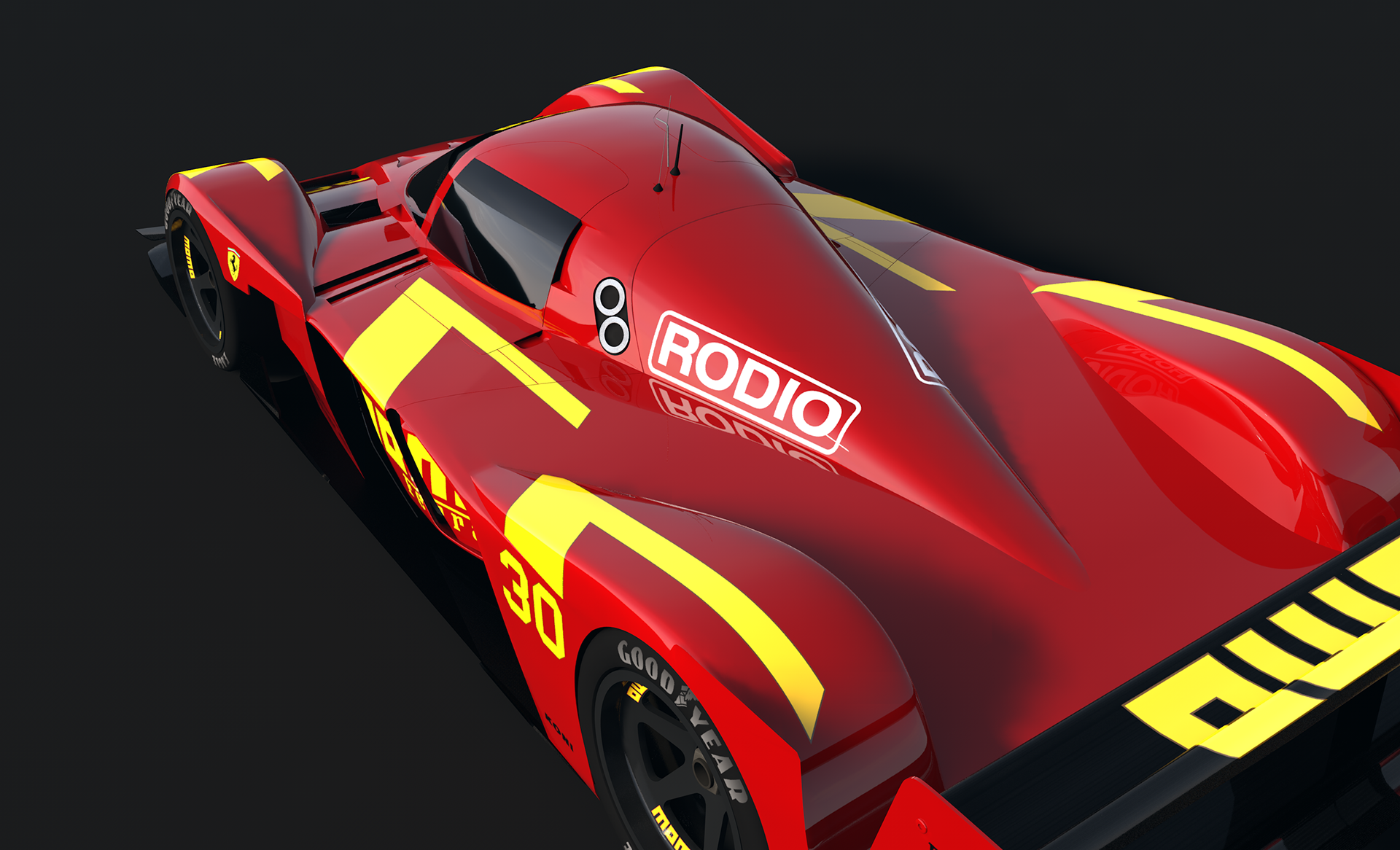
MOMO Ferrari F94. The story begins.
Motivated by fresh rules written by FIA and IMSA to save prototype endurance racing from Max Mosley's F1-centered sham, Giampiero Moretti brokers a chassis-development partnership between his friends at Ferrari and NPTI. The gentleman's handshake amongst the teams was for Ferrari to focus on support for teams competing in the European World Endurance Championship's Group C class, and Moretti would be a privateer representative of Ferrari in the American IMSA GTP series.
Gianpiero Moretti wanted NPTI on board for his project as they knew how to develop a strong car, they've mastered control systems for engines and turbos to a degree that left their competition behind, and also because Yoshi Suzuka and his wind tunnel are an integral part of the team's operations.
Revealed for the 1994 season, MOMO's unmistakable red and yellow colors were wrapped over the first modern Ferrari prototype to run in the United States. While the F94 was a new car from the ground up, its heart was descendant of a legend. Powered by a development of the F40's 2.9 liter twin-turbo V8 engine, which itself traces a lineage to the Group B 288 GTO and Lancia LC2 Group C cars.
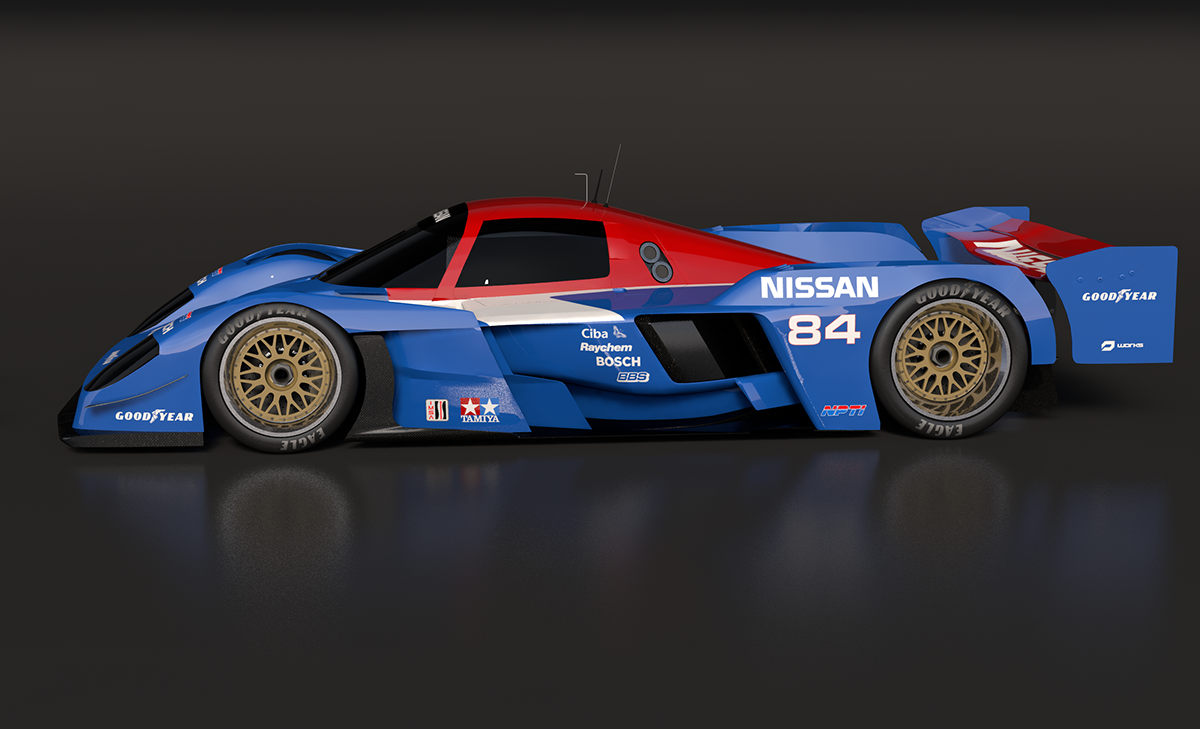
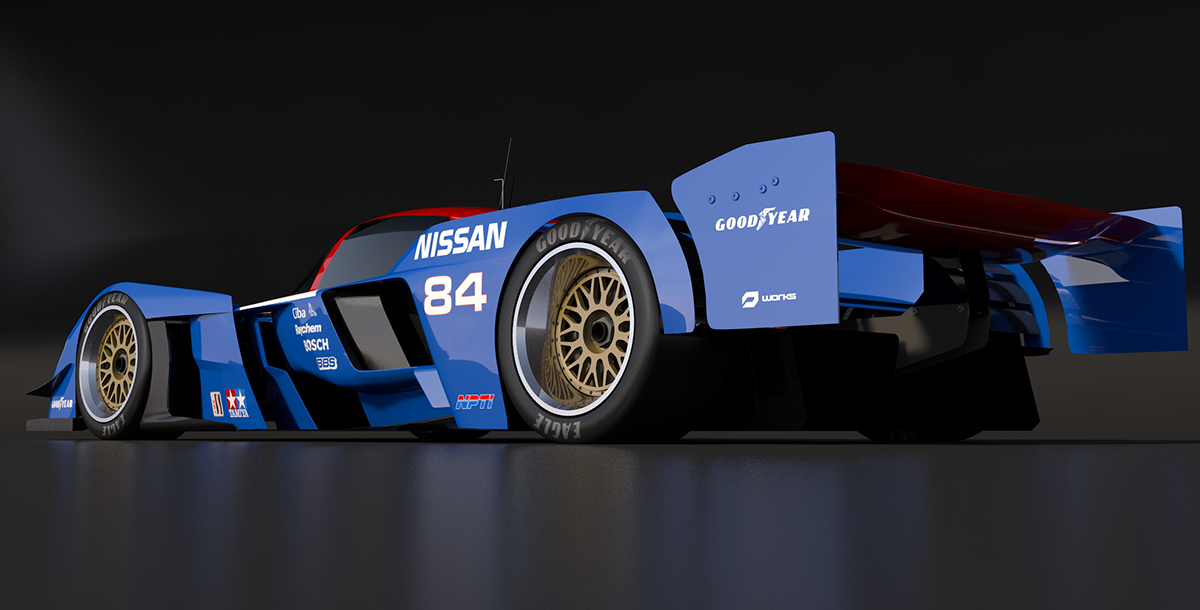
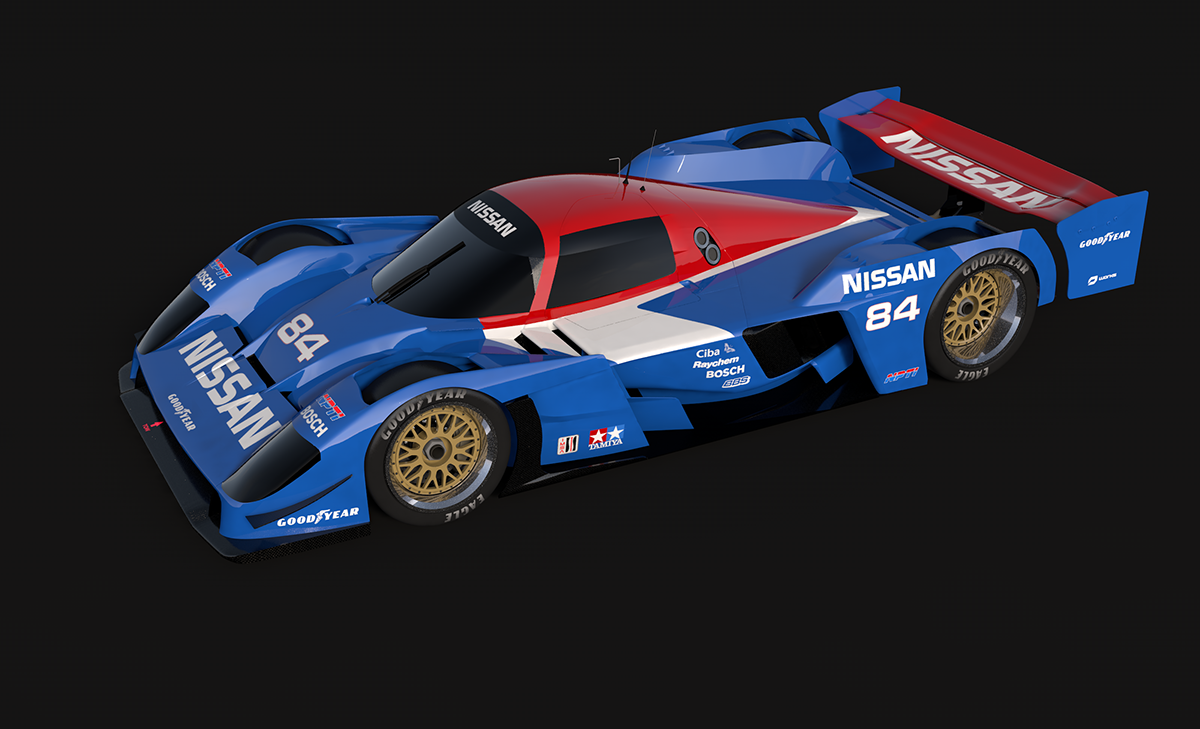
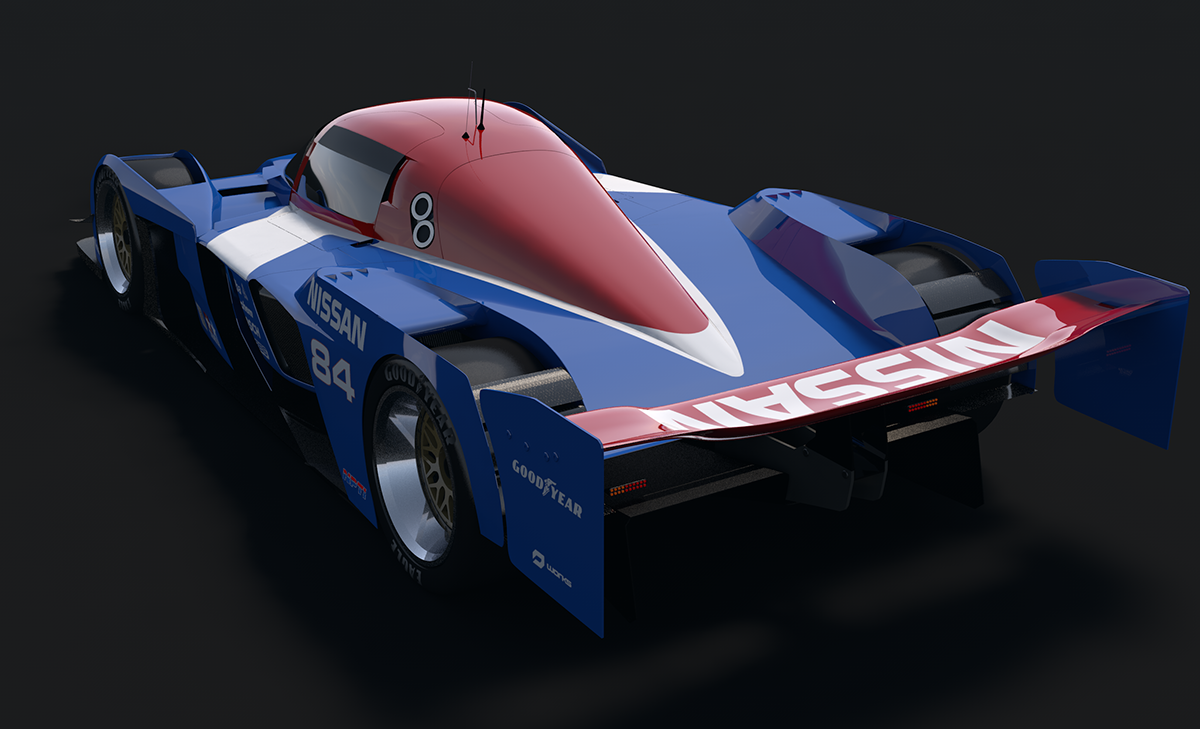
Nissan P94. Rock this way.
The shared resources and collaboration between NPTI and Ferrari produced a beautifully-balanced baseline chassis and aero package. Each of the teams then tucked away in their own shops to work on enhancements and develop their unique concepts. Nissan-funded NPTI went dark for a while, spending long hours in the wind tunnel while rumors swirled about how they've cut up their car.
From baseline aero setup of the F94 project, NPTI worked to further reduce drag and focus on underbody flow. The single dual-element Pershing wing was mounted low to drive the underfloor, and "We cut the tops off the fenders, flowed air around them rather than over, and found this helped the underbody even more."
Emerging from a rough few seasons with a new car and fresh investment wrapped around the Nissan VG30, NPTI is hoping to return to form. This was the multiple-championship-winning "Elvis" successor: the King is back.



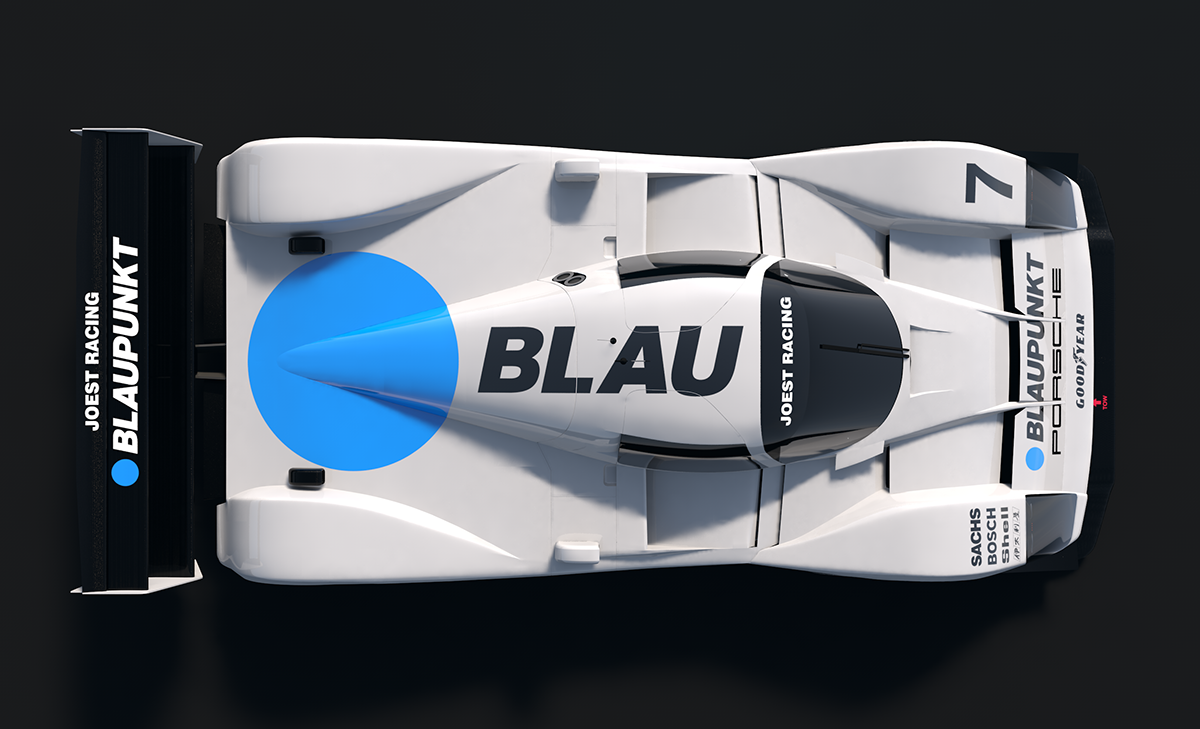
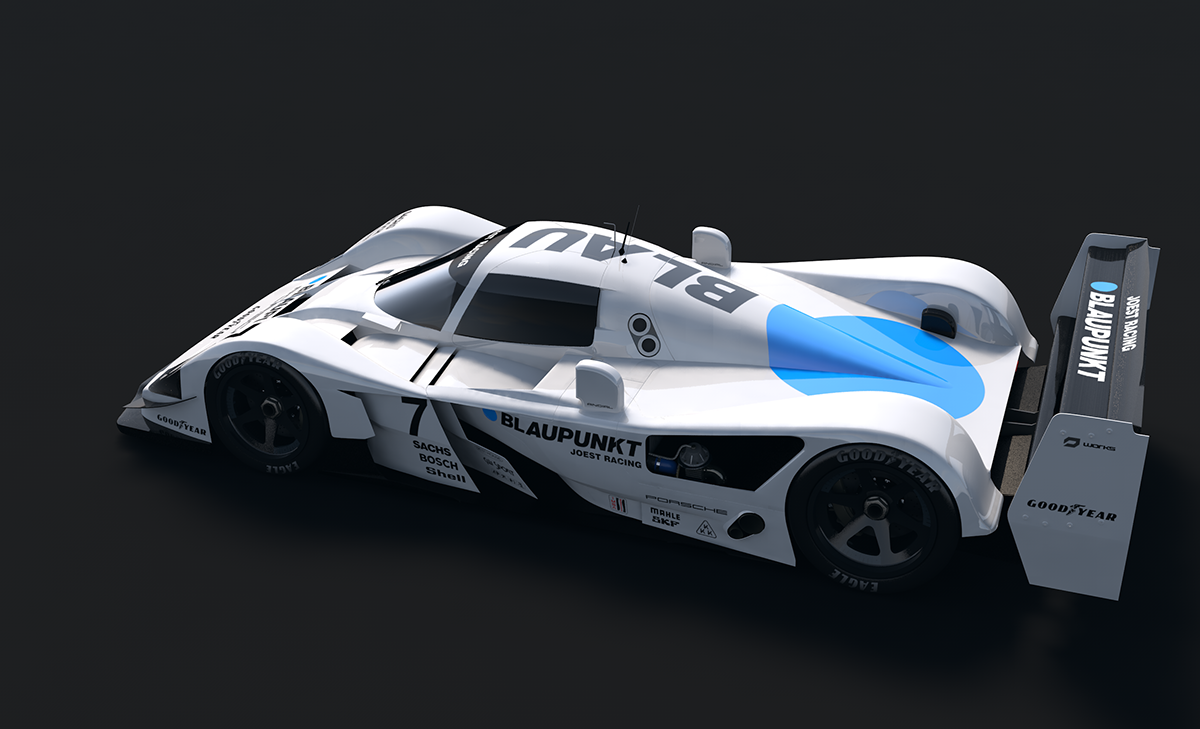
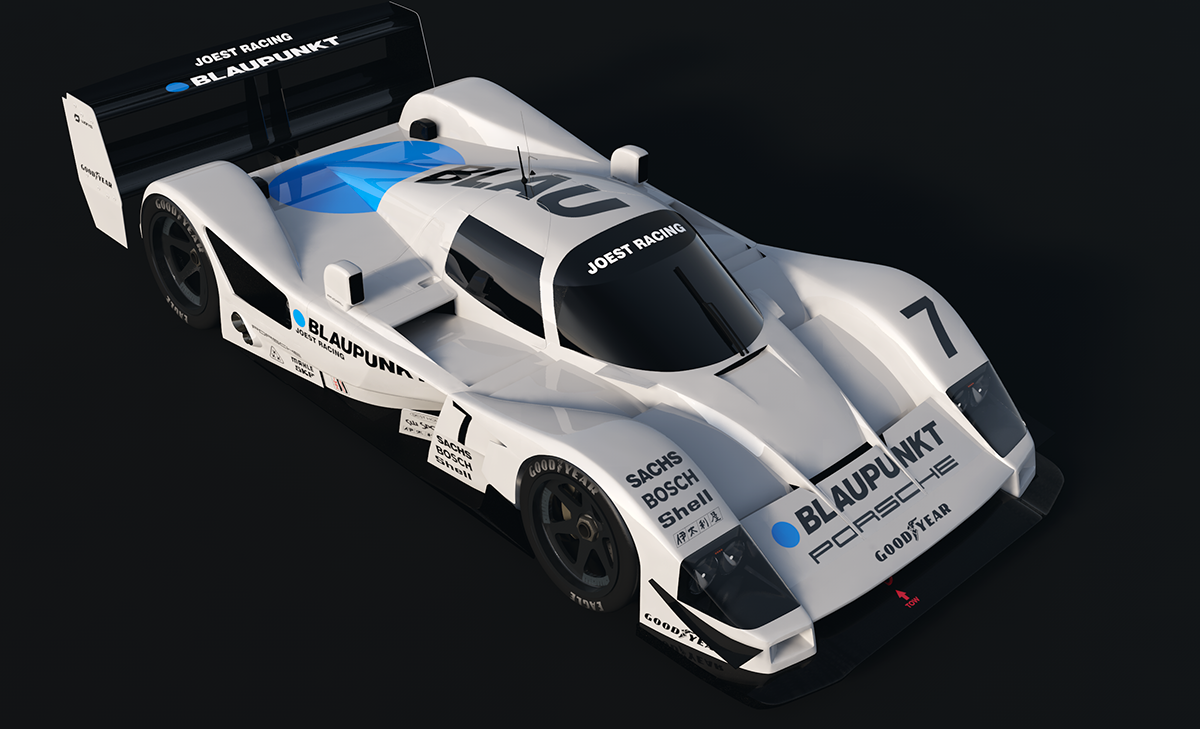
Joest Racing 94C. Not here to play around.
Summer 1993. The semi-secret new Ferrari factory team's ambitious effort to take on the European Group C series required significant organization and vision to get up and running. Reinhold Joest happily provided his services to build the Eni-Ferrari Agip team, with one condition; he would secure a bare F94 rolling chassis to build a car around for his team to run in the IMSA GTP series (and most likely an option for a second car).
"Gian [Moretti] is a good friend and we want to race, so until Porsche has a car for us, we will use one of his."
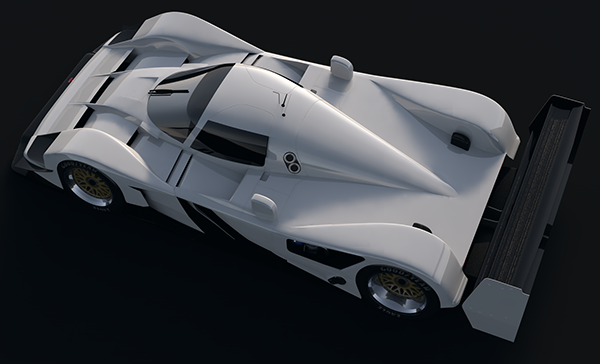
Former Porsche works driver turned independent endurance-racing mastermind, Reinhold Joest found himself with 10 years worth of Porsche spares, and a 10-year-old chassis design languishing against more modern machinery. Impatient waiting for Porsche's return from their open-wheel Indycar distraction to focus on sports cars, Joest has his team rework the F94 to accommodate his shop-full of 962 spares. The "94C" features heavily revised bodywork to fit a development of the 962's endlessly-reliable 3.0 water-cooled flat-six. In testing it's clear the result is a success. "The front end on this car is so pinned, it has grip everywhere. We have none of the understeer problems of the old [Porsches]" - J. Winter
Long-time Joest supporter Blaupunkt returns as the team's major sponsor after a several-year hiatus, an indication of healthy interest in the renewed series. So the score is: a Dallara-built chassis co-developed by Ferrari and NPTI, adapted and r-bodied by Team Joest for Porsche flat-six power. Ready to go.






ENI-Ferrari Agip. The Dark Horse...
On the verge of ending several decades of Agip's Ferrari motorsport sponsorship due to high costs in F1, Eni step into an opportunity to run what is effectively the factory Ferrari prototype team in the European Group C series. ENI's fuel brand Agip would run as the title sponsor given Ferrari was outwardly fully committed to Formula 1 and its factory-level involvement in the endurance prototypes was intended to be kept relatively quiet.
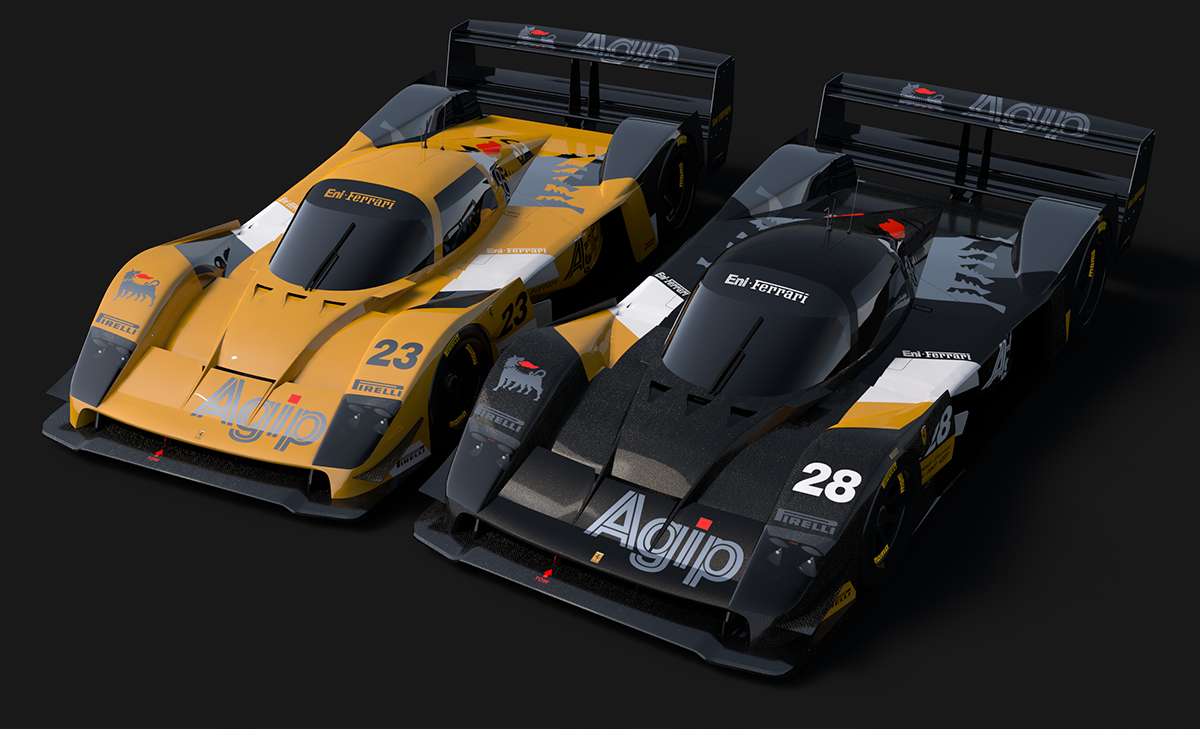
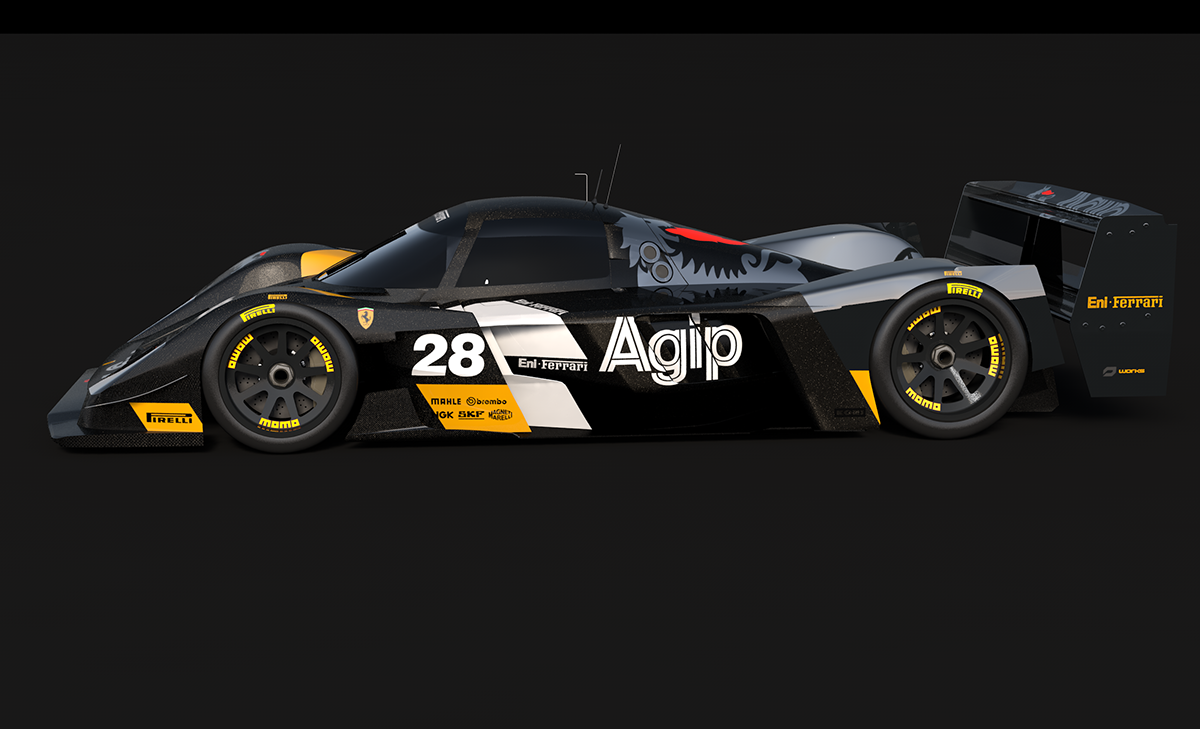
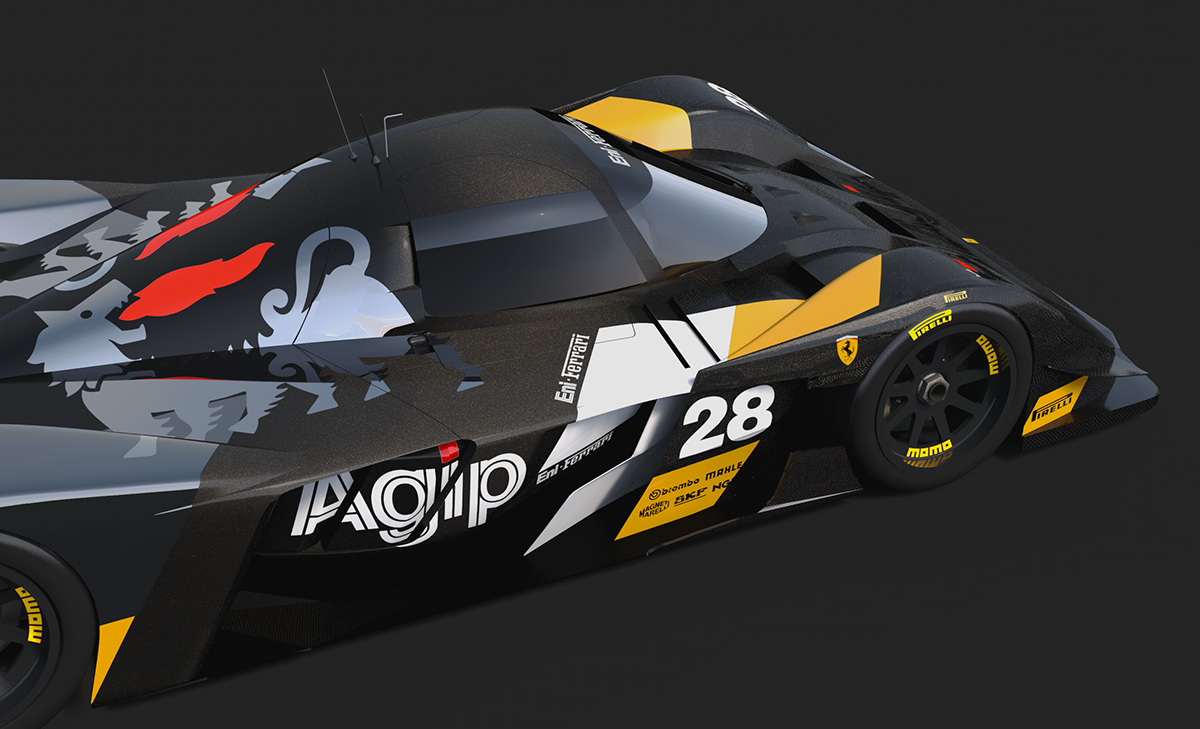
Agip's new livery played multiple degrees of black-reflective foils against the company's white and yellow base. The Agip logotype and lion emblem are done in a smokey black-chrome finish and fluorescent red over deep black color blocking which - perhaps ironically - has the color and shimmer of oil slick. Pirelli signed on as tire partner for the Group C championship, as did many of Ferrari's most dedicated equipment and supply sponsors.
To help get the new team up and running, endurance racing mastermind Reinhold Joest is retained as a consultant to lend his organizational expertise.


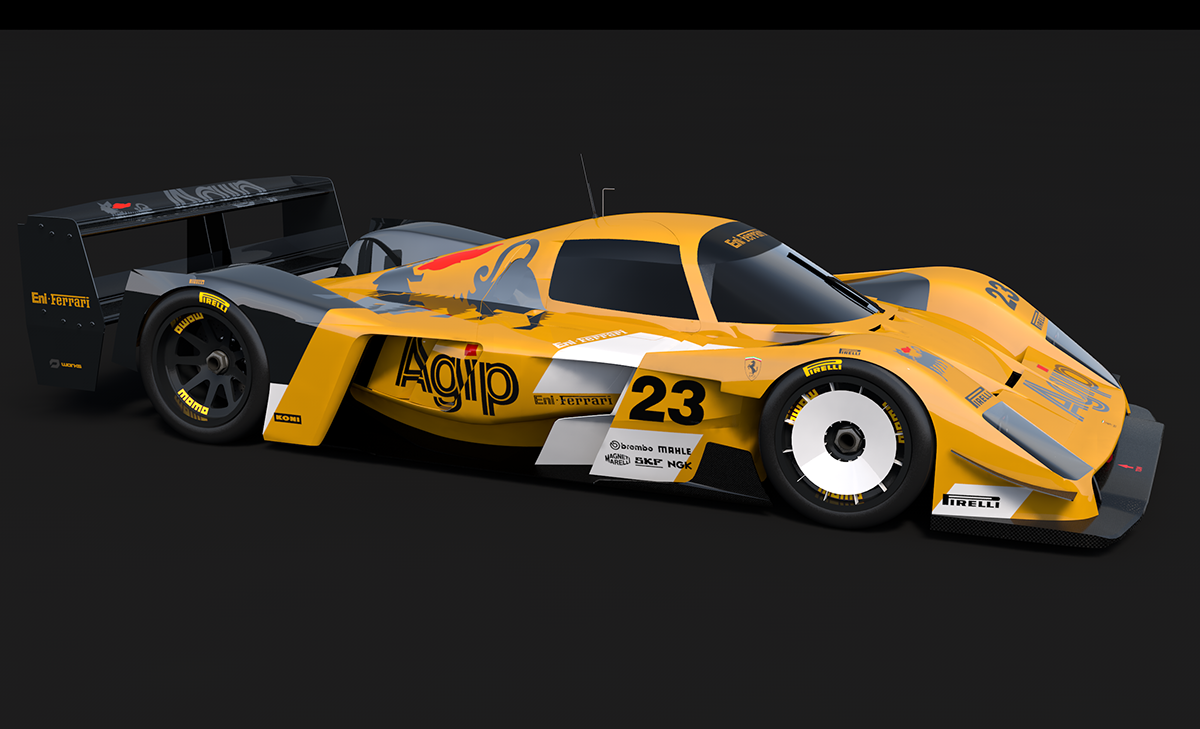
Agip's title sponsorship took nothing away from the fact that "Team Eni-Ferrari Agip" was effectively the factory Ferrari prototype team for the European Group C series. To ensure a strong result, endurance-racing legend Reinhold Joest organized a two-car team with the second as a 'junior' development squad for up-and-coming drivers. The second car wore the livery's theme of black-reflective foils and Agip brand colors on bare carbon fiber bodywork. The design came about as a pragmatic decision: "In case the kids crash it then we won't have to repaint the whole car"



Martini Racing F94 "LM". Unmistakable.
The Martini team was organized effectively as an alt-factory team, which gave Ferrari the opportunity to play multiple strategies in the Group C championship. Martini's "LM" evolution of the F94 was optimized for the top speed battlegrounds of Le Mans, Spa, and Monza. A more conservative aerodynamic approach (coincidentally similar to Joest's) favored more cooling airflow through the larger, smoother sidepods, and moved engine air intake to the roof. For further drag (and downforce) reduction, the nose wing was trimmed out, dive planes removed, and extra fairings added around the front-well side outlets. The single dual-element rear wing was dropped nearly to rear-deck height, and of course those rear-wheel covers mean serious top-end speed.
For this Martini livery, I wanted to capture the drama and richness that the prominent use of dark-blue and red brought to the 1971 Le Mans car #21 (chassis 917-042). Modernized on the F94, angular color blocking and fragmented patches of striped bands bring a dynamic play across the car's surfaces without simply being a continuation of the typical flowing Martini stripes. Distinctive, yet unmistakably Martini.


Still to come: Alitalia.


